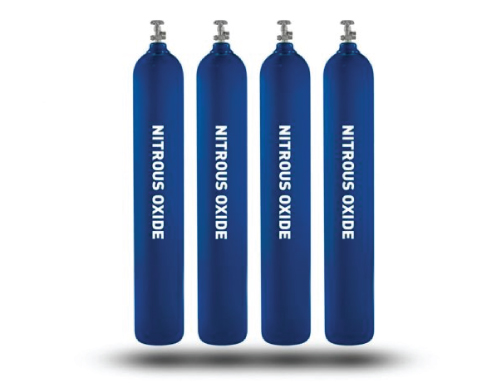
Nitrous oxide (N₂O)
Nitrous Oxide (N₂O) ApplicationsNitrous oxide (N₂O), commonly known as laughing gas, has a variety of medical, industrial, and recreational applications due to its unique properties, such as being colorless, non-flammable, and having anesthetic and analgesic effects. Here are some of the primary applications of nitrous oxide:
1. Medical Applications:- Anesthesia and Sedation: Nitrous oxide is widely used in dentistry and surgery as an anesthetic agent. It is often mixed with oxygen and administered via inhalation to induce mild sedation and provide pain relief during dental procedures, minor surgeries, and childbirth. It has a calming effect and helps reduce anxiety while keeping the patient conscious.
- Analgesia in Pain Management: In emergency medicine, nitrous oxide is often used for short-term pain relief, particularly in situations like labor, trauma, or during minor surgical procedures. It is fast-acting and provides temporary relief without the need for intravenous medications.
- Labor and Delivery: Nitrous oxide is used during childbirth to help manage pain and anxiety. When combined with oxygen, it offers an alternative to more invasive forms of pain relief, such as epidurals.
- Sedation for Children: Nitrous oxide is commonly used to calm and sedate children for minor procedures or dental treatments. It is safe, fast-acting, and easily reversible, making it a preferred choice for pediatric sedation.
- Propellant in Aerosol Products: Nitrous oxide is used as a propellant in products like whipped cream dispensers, food cans, and in the production of certain medical sprays. It helps propel the contents out of the can while also maintaining product quality.
- Rocket Propulsion: Nitrous oxide is used as an oxidizing agent in rocket propulsion systems. It provides the necessary oxygen for combustion in rocket engines, allowing for the propulsion of spacecraft and other high-speed vehicles.
- Food and Beverage Industry: Besides being used as a propellant in whipped cream dispensers, nitrous oxide is also used in the food and beverage industry for carbonation, especially in the production of certain carbonated beverages and in the preparation of specialty coffees or cream-based drinks.
- Recreational Inhalation ("Laughing Gas"): Nitrous oxide is sometimes used recreationally for its euphoric and dissociative effects. Inhaling the gas can induce feelings of euphoria, relaxation, and even brief laughter (hence the name "laughing gas"). However, it can be dangerous when used improperly, especially if inhaled in large quantities or without proper oxygen supply, leading to oxygen deprivation.
- Performance Enhancement: In motorsports, especially in drag racing and high-performance engines, nitrous oxide is sometimes used as a fuel additive to enhance engine performance by providing additional oxygen for combustion, thus increasing the power output of the engine.
- Analytical Chemistry: Nitrous oxide is used in laboratories and research settings as a reagent in certain chemical processes. It is also used in spectrometry and chromatography techniques to measure the presence of other gases or elements.
- Laser Systems: Nitrous oxide is used in certain types of lasers, such as those in laser cutting and engraving systems, where it serves as a component in the chemical reaction that produces the laser light.
- Fertilizer Production: Nitrous oxide is produced as a byproduct in the manufacture of synthetic fertilizers, especially in processes like the production of ammonium nitrate. However, it's important to note that the release of nitrous oxide into the atmosphere from agricultural practices is a significant environmental concern due to its potent greenhouse gas properties.
- Greenhouse Gas Emissions: Nitrous oxide is also a significant greenhouse gas, with a much higher global warming potential than carbon dioxide. It is released into the atmosphere through agricultural activities, particularly the use of synthetic fertilizers, and from industrial processes, contributing to climate change.
- Anesthesia for Animals: Nitrous oxide is used in veterinary medicine for anesthetic and analgesic purposes, particularly for smaller animals during minor procedures. It helps calm animals and reduces their pain while maintaining their ability to brea
Non-flammable Gas, Oxidizer
CAS No : 10024-97-2
UN No: 1070
EINECS No : 233-032-0
Molecular weight : 44.013
Appearance : Colorless
Melting point : -91 ℃
Boiling point : -88 ℃
Density : 1.8 kg/m³
DOT Class : 2.2 & 5.1
99.9% N2O, Industrial Grade
| Specification | 99.9% |
|---|---|
| Carbon Monoxide | ≤ 20 ppm |
| Oxygen + Argon | ≤ 200 ppm |
| Nitrogen | ≤ 600 ppm |
| Moisture | ≤ 30 ppm |
Cylinder Specifications
| Cylinder Capacity | Valve | Weight |
|---|---|---|
| 40L | CGA540 | 24kgs |
| 50L | CGA540 | 30kgs |


