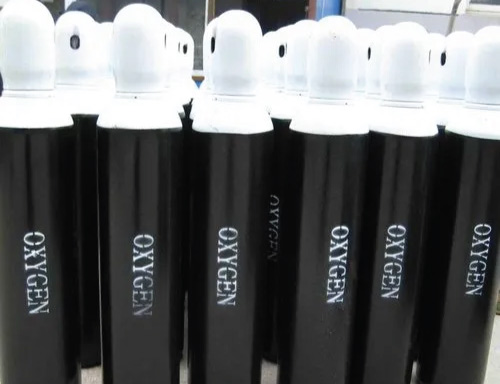
Medical Oxygen (O₂)
Medical Oxygen (O₂) is a crucial component in healthcare settings, particularly for respiratory support and therapy. It is widely used in various medical treatments due to its vital role in sustaining human life.1. Respiratory Support:
Oxygen Therapy for Respiratory Disorders: Oxygen is commonly prescribed to patients with respiratory conditions like chronic obstructive pulmonary disease (COPD), asthma, pneumonia, and cystic fibrosis. It helps increase oxygen levels in the blood, improving breathing and overall organ function.
- Emergency Resuscitation: Oxygen is used in emergency situations to resuscitate patients experiencing cardiac arrest, respiratory failure, or shock. It is essential in emergency care settings, such as ambulance services, emergency rooms, and intensive care units (ICUs).
- Post-Surgery Recovery: After major surgeries, especially those involving anesthesia or respiratory systems, patients are given supplemental oxygen to ensure proper oxygenation while they recover.
2. Anesthesia Support:
- Anesthesia Procedures: During surgeries, medical oxygen is mixed with other gases (like nitrous oxide or volatile anesthetics) to maintain an appropriate oxygen level while keeping the patient sedated. This ensures that patients maintain adequate oxygenation during procedures.
3. Hyperbaric Oxygen Therapy (HBOT):
- Wound Healing: Hyperbaric oxygen therapy involves breathing 100% oxygen in a pressurized chamber. It is used to treat chronic non-healing wounds, diabetic foot ulcers, and radiation injuries, as it promotes tissue repair and improves the body's ability to fight infection.
- Decompression Sickness (the bends): This therapy is used for scuba divers suffering from decompression sickness, where nitrogen bubbles form in the blood. Breathing pure oxygen in a hyperbaric chamber helps eliminate these bubbles and restore normal blood flow.
- Carbon Monoxide Poisoning: Oxygen therapy, especially in a hyperbaric chamber, is used to treat patients who have been poisoned by carbon monoxide (CO). It helps remove CO from the bloodstream faster than normal breathing, reducing its toxic effects.
4. Newborn and Neonatal Care:
- Neonatal Oxygen Therapy: Medical oxygen is used to support premature infants or newborns with underdeveloped lungs. It is essential for treating conditions like neonatal respiratory distress syndrome (NRDS), where babies are unable to breathe adequately on their own.
- Ventilator Support: In neonatal intensive care units (NICUs), oxygen is delivered through ventilators and other devices to infants who are unable to breathe independently.
5. Asthma and Chronic Respiratory Conditions:
- Asthma Management: Patients with severe asthma may require supplemental oxygen during an asthma attack to maintain oxygen levels in the blood. Oxygen can help relieve shortness of breath and prevent complications.
- COPD Management: Oxygen is often a critical component of treatment for chronic obstructive pulmonary disease (COPD). Patients with advanced COPD may need supplemental oxygen to maintain adequate oxygen saturation in their blood.
6. Cardiac Support:
- Heart Failure: In patients with heart failure, supplemental oxygen helps improve oxygenation when the heart is unable to pump blood effectively, ensuring that tissues and organs receive adequate oxygen.
- Acute Myocardial Infarction (Heart Attack): Oxygen is administered to patients experiencing a heart attack to optimize oxygen delivery to the heart muscle and reduce damage to cardiac tissue.
7. Sleep Apnea Treatment:
- Continuous Positive Airway Pressure (CPAP) Therapy: Although CPAP primarily provides pressurized air to keep the airways open, medical oxygen can be added to the CPAP machine to provide supplemental oxygen during sleep in patients with obstructive sleep apnea (OSA) or other forms of sleep-disordered breathing.
8. Cancer Treatment Support:
- Chemotherapy and Radiation: Patients undergoing chemotherapy or radiation therapy may be given supplemental oxygen to improve their overall health and reduce the risk of complications, especially in cases where lung function may be compromised.
- Improving Tumor Oxygenation: In some cases, higher oxygen levels may be administered to improve the effectiveness of radiation therapy, as oxygen can help make tumor cells more sensitive to radiation.
9. Palliative Care:
- End-of-Life Care: Oxygen therapy is often used in palliative care settings to provide comfort to patients with terminal illnesses, such as advanced cancer, when breathing becomes labored or insufficient.
- Dyspnea Relief: It is commonly used to relieve shortness of breath (dyspnea) in patients with severe lung or heart conditions in their final stages of life.
10. Sports and Physical Rehabilitation:
- Altitude Sickness: Oxygen is used to treat altitude sickness in individuals who ascend to high altitudes and experience reduced oxygen levels in the blood. This is commonly seen in mountaineers or travelers to high-altitude areas.
- Exercise and Recovery: Oxygen is used in some rehabilitation and sports medicine settings to help athletes recover faster after intense physical exertion, aiding in the replenishment of oxygen levels in muscles and improving recovery time.
11. Oxygen-ozone Therapy:
- Alternative Therapies: In some alternative medical treatments, oxygen is mixed with ozone (O₃) to provide therapeutic benefits for conditions like chronic infections, inflammation, and autoimmune disorders. This is an emerging area of treatment, often used alongside other therapies.
12. Inhalation Therapy for Chronic Conditions:
- Nebulized Oxygen: In some chronic conditions like cystic fibrosis or pulmonary fibrosis, patients may use nebulized oxygen to help with mucus clearance, airway dilation, and improving oxygenation.
Medical oxygen is vital in a broad spectrum of medical applications, from emergency care to chronic disease management. It plays a crucial role in improving patient outcomes and supporting vital physiological functions across multiple healthcare disciplines.
Non-toxic and non-flammable Gas, Oxidizing Agent
CAS No : 7782-44-7
UN No: 1072
EINECS No : 231-956-9
Molecular weight : 32
Appearance : Colorless and odorless
Melting point : -218.4 ℃
Boiling point : -183 ℃
Density : 1.429g/L
DOT Class : 2.2 & 5.1
OXYGEN MEDICAL GRADE 99.999%
| Specification | 99.999% |
|---|---|
| Hydrogen | ≤0.5 ppm |
| Argon | ≤2 ppm |
| Nitrogen | ≤5 ppm |
| Carbon Dioxide | ≤0.5 ppm |
| THC (as CH4) | ≤0.5 ppm |
| Moisture | ≤2 ppm |
| Cylinder Specifications | Contents | Pressure | |||
|---|---|---|---|---|---|
| Cylinder Capacity | Valve | Volume | bar | psig | |
| 40L | QF-2 | 7 m³ | 150 | 2175 | |
| 47L | QF-2 | 7 m³ | 150 | 2175 | |
| 50L | QF-2 | 10 m³ | 200 | 2900 | |


